Japan is a unique market. Often, foreign companies make the mistake of assuming whatever works for them at home would work there, too. Until they find out it doesn’t.
POM Wonderful
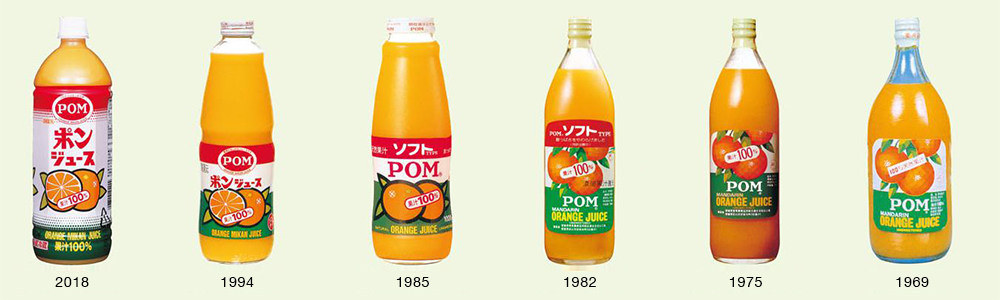
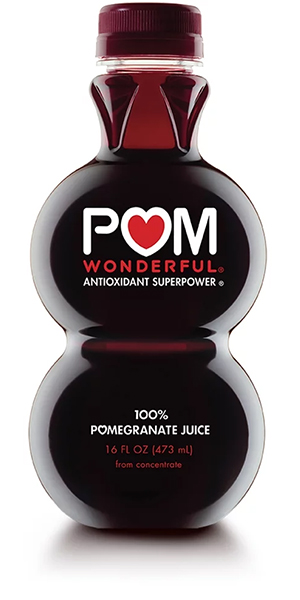
Sometimes, you are just plain unlucky. POM Wonderful brand found out, their name coincided with a well-established existing brand with the same name. With production starting in 1952, POM Juice is like the Japanese equivalent of American Tropicana, and there was no way the name could legally be used there. We needed another name.
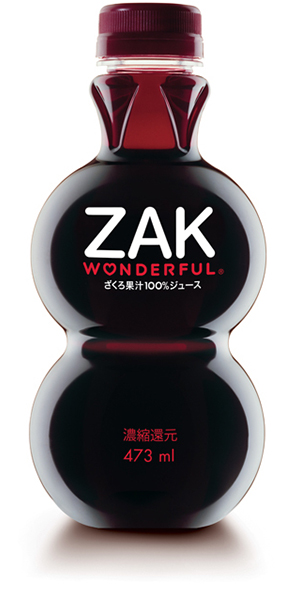
Just like how POM came from the word, “pomegranate,” I took the name ZAK from “zakuro,” which is the Japanese word for pomegranate. The heart symbol was moved to the word, “WONDERFUL,” for brand consistency.
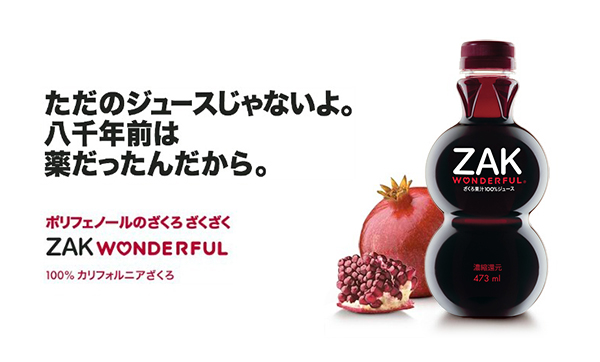
The tone of advertising had to be adjusted, too. Generally, Americans go for confident, hard-hitting messages. Whereas the Japanese people tend to prefer more polite, soft-selling messages. Here, the ad on the right isn’t a direct translation of what was produced in the US. Instead, the Japanese message is, “It’s not an ordinary juice. It used to be a medicine 8,000 years ago.”
A bold claim
A quieter but subtly impressive claim
JTF
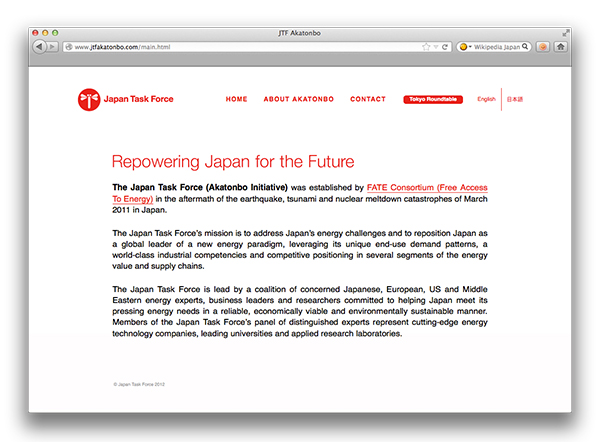
JTF (Japan Task Force) was a coalition of Japanese, European, American and Middle Eastern energy experts. Its mission was to help the Japanese leaders find and transition into reliable, economically viable, and environmentally sustainable energy sources in the aftermath of the tragic 2011 Tōhoku earthquake and tsunami.
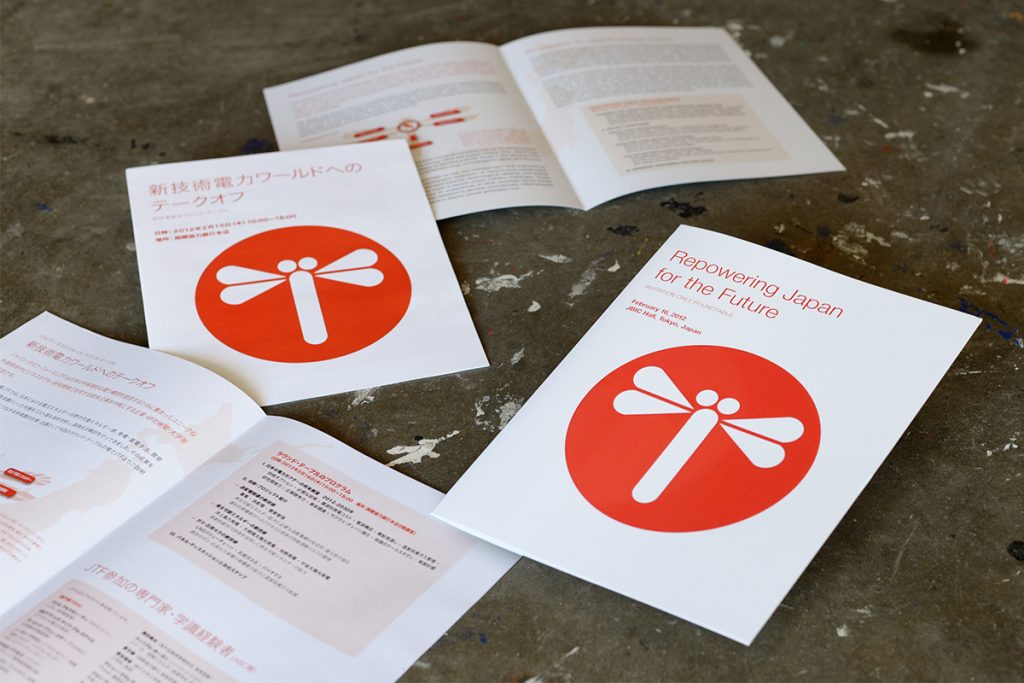
A red dragonfly mark became the symbol of a rising hope for this mission.
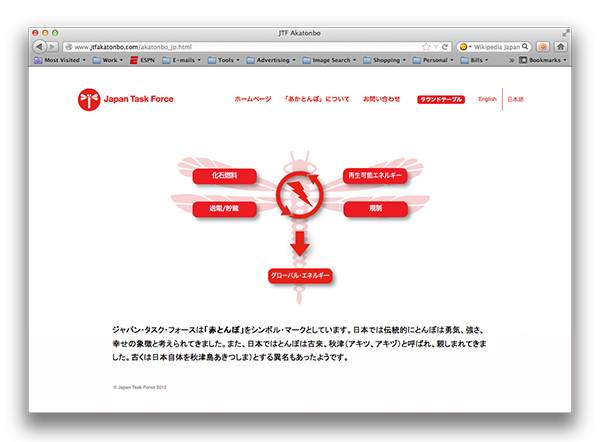
Bilingual minisite and leaflets were used to promote this cause.
Intex
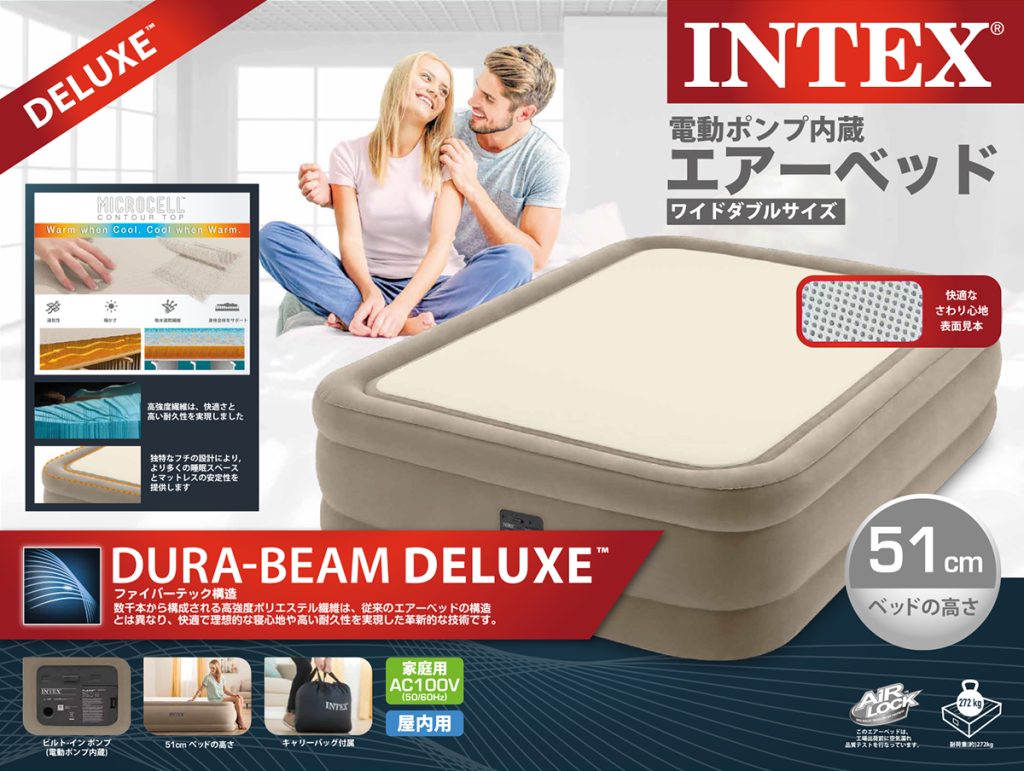
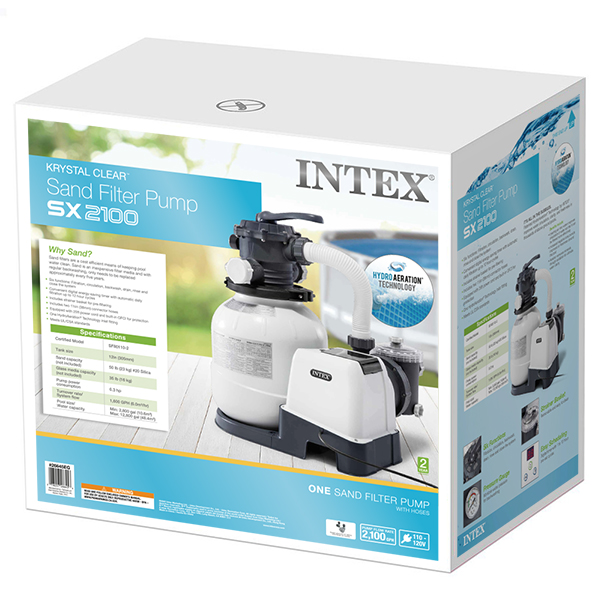
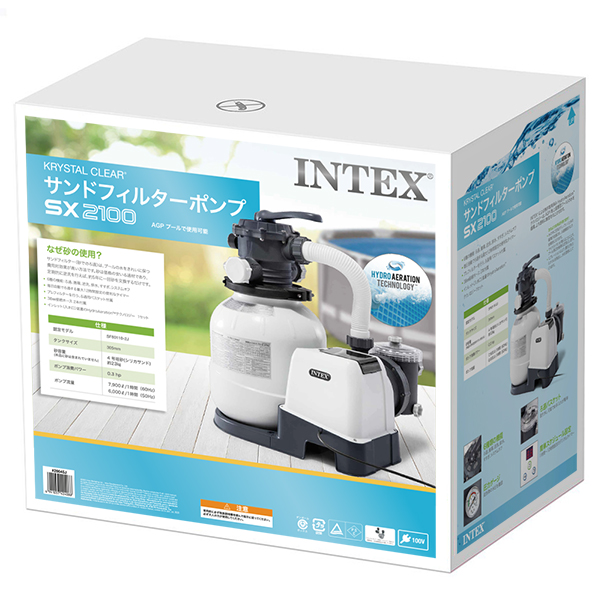
Intex sold their products in over 120 countries around the world. There were packages created with 12 to 27 languages, which generally were used in the majority of the countries outside of the United States. However, when it came to Japan, it became a little tricky.
Japanese people sometimes refer to their own culture as “Galapagos.” Galapagos Islands are a collection of remote and isolated islands, completely cut off from the rest of the world, inhabited by plant and animal species that can be found nowhere else. Japan is also a collection of islands, disconnected from the rest of Asia. They have their own culture and their own way of going about things.
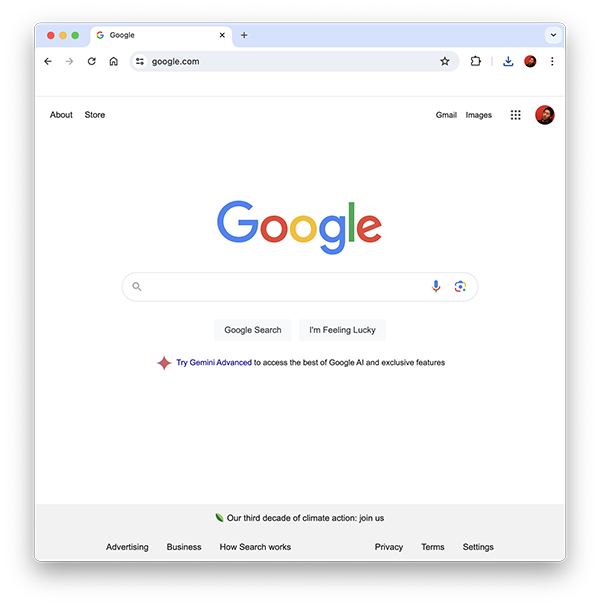
The most popular search engine in the US
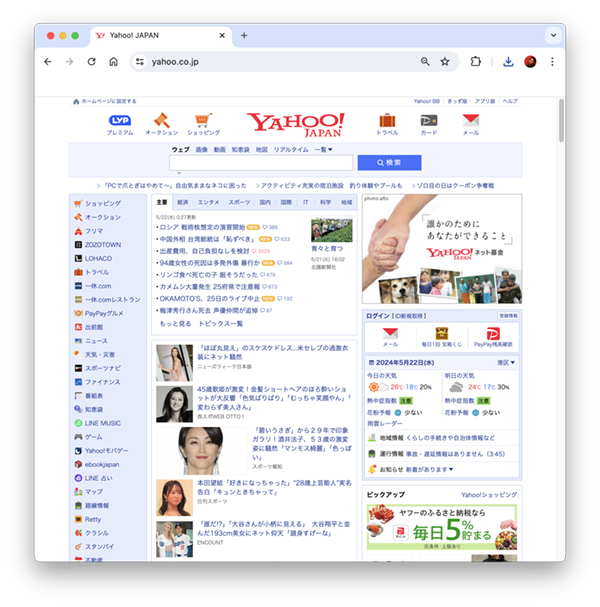
The most popular search engine in Japan
Boasting a 99% literacy rate (as opposed to under 80% literacy in the US, with 54% below 6th grade level), most Japanese people read and understand sophisticated communications. Plus, they are used to looking at complex visuals that would be considered too busy in other cultures. Added with a high population density, a successful messaging can go a very long way in the land of the rising sun.
You can load your package up with a lot of information and expect a large number of audience to read and understand.
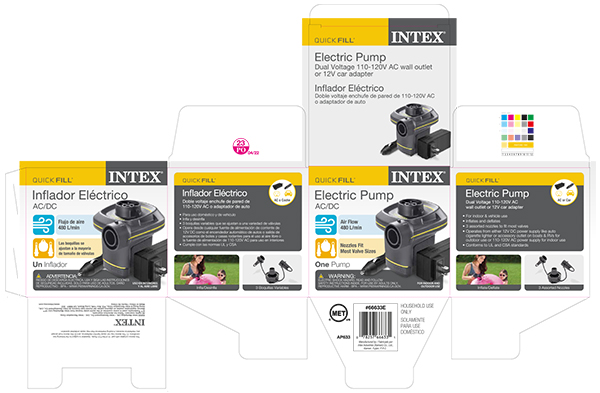
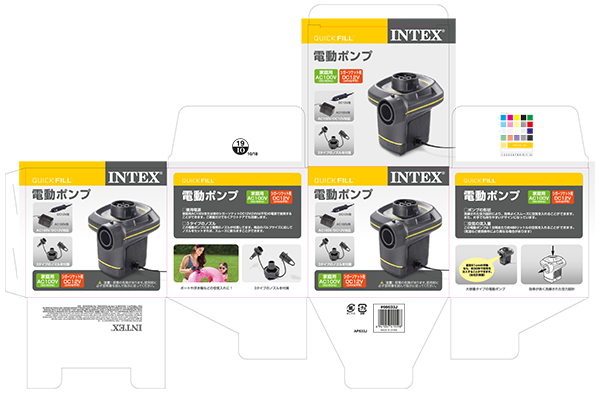
Sometimes, you have to be conscious of how the packages are displayed. With much tighter retail spaces, smaller Japanese packages need to be able to work hard from more angles. Notice here that especially the top panel of this electric hand pump package is working much harder in the Japanese version compared to the US counterpart:
Other times, especially with an already information-heavy package, it could be as simple as translating hard information. Even then, you would want to watch the tone of your messaging, and keep a sharp eye on typographic details. Consumers can sniff “foreign” packages through details like poor translations and improper breaks in the copies. They tend to not trust those sources.